

A version of this article originally appeared in the Fall 2025 issue of Northern Gardener magazine.
For experienced gardeners, compost is black gold. Simple and easy to make at home, compost improves soil texture and tilth, making it loose and friable. Compost helps soil retain water and the organic matter in compost provides a light fertilizer. When used as a mulch, it suppresses weeds. Compost gives soil that “chocolate cake” texture plants thrive in.
You can buy it by the bag or the truckload or make it at home. Fall is a great time to apply a layer of compost to your garden to help build soil health. With the abundance of dried leaves available, it’s also the perfect time to start a home compost pile.
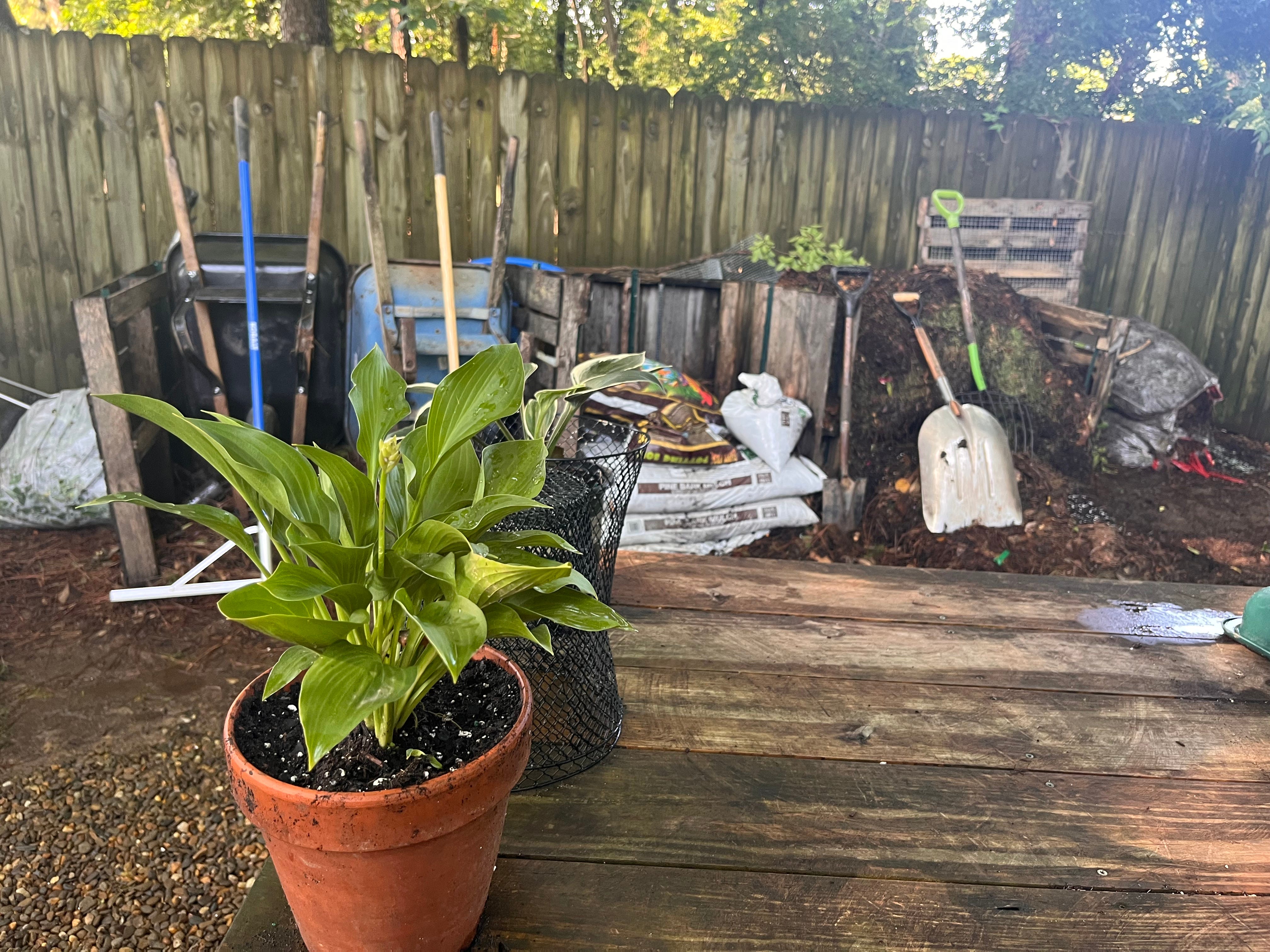
What is compost?
Compost is decomposed organic matter. Most home compost is made up of more or less equal parts of green materials, such as spent plants, grass clippings, vegetable peelings and other kitchen scraps, and brown materials, such as dried leaves, straw, shredded paper and sawdust. With water, air and time, these materials will decompose into a nutrient-rich compost. Home compost can also include egg shells, coffee grounds and non-plastic tea bags, but it should not include meat, bones or feces from cats or dogs. Chicken litter can be composted, if you have backyard birds, but piles with chicken manure in them need to heat up to an internal temperature of around 140 degrees for several days to kill pathogens.
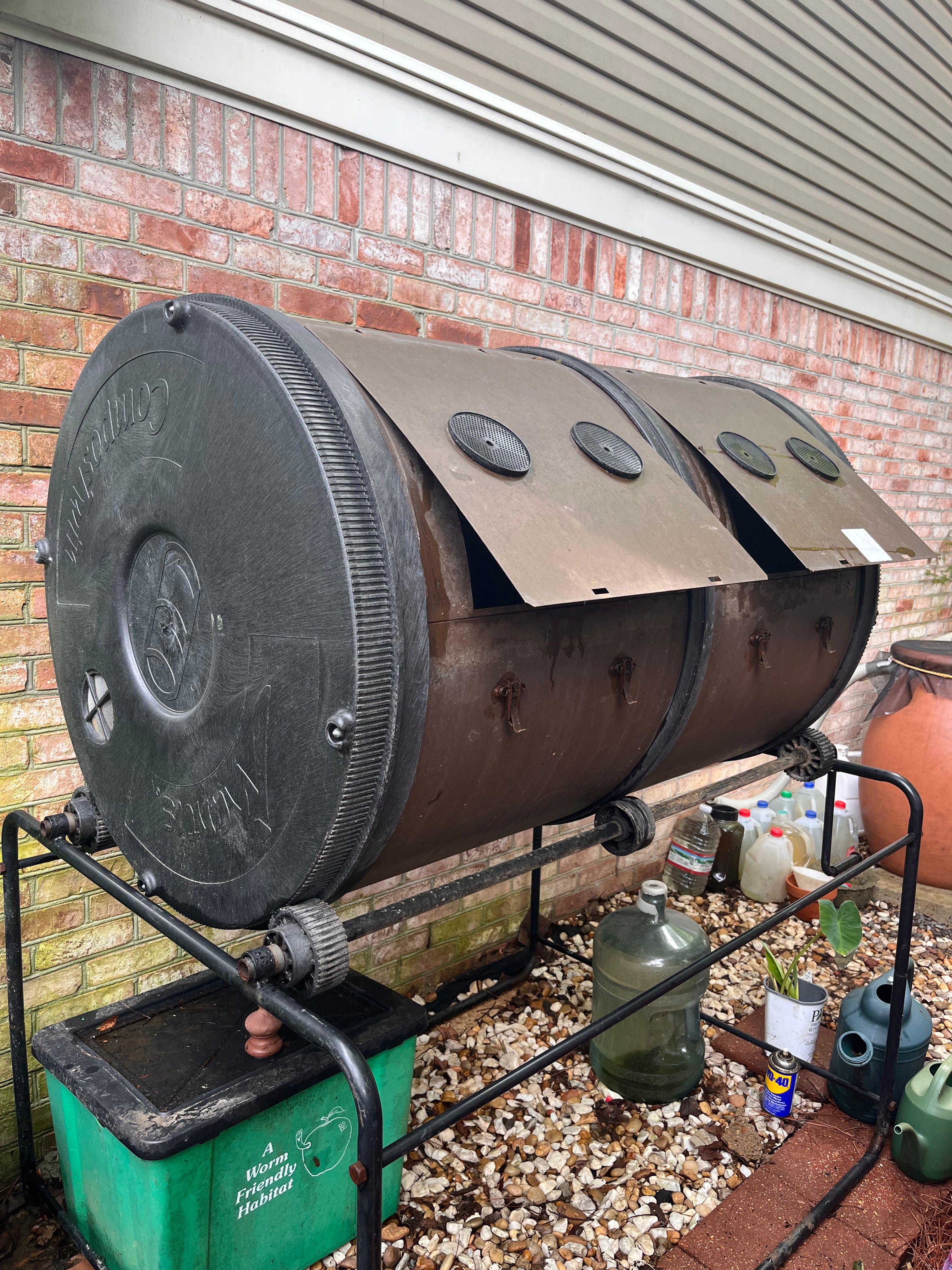
Active compost making
To make compost quickly, you need a hot pile. Here’s how to get one. Build one or more bins that are 4-by-4-by-4 feet in size. You can use a 3-by-3-by-3-foot bin, but the process will be slower. Add alternating layers of green and brown materials. In between each layer, sprinkle a layer of old compost or garden soil to help start the decomposition process. Wet the pile down between layers and turn it every two to three weeks to add air. The pile should heat to above 140 degrees F in the center. This will hasten decomposition and kill weed seeds. An active pile will produce usable compost in a few months.
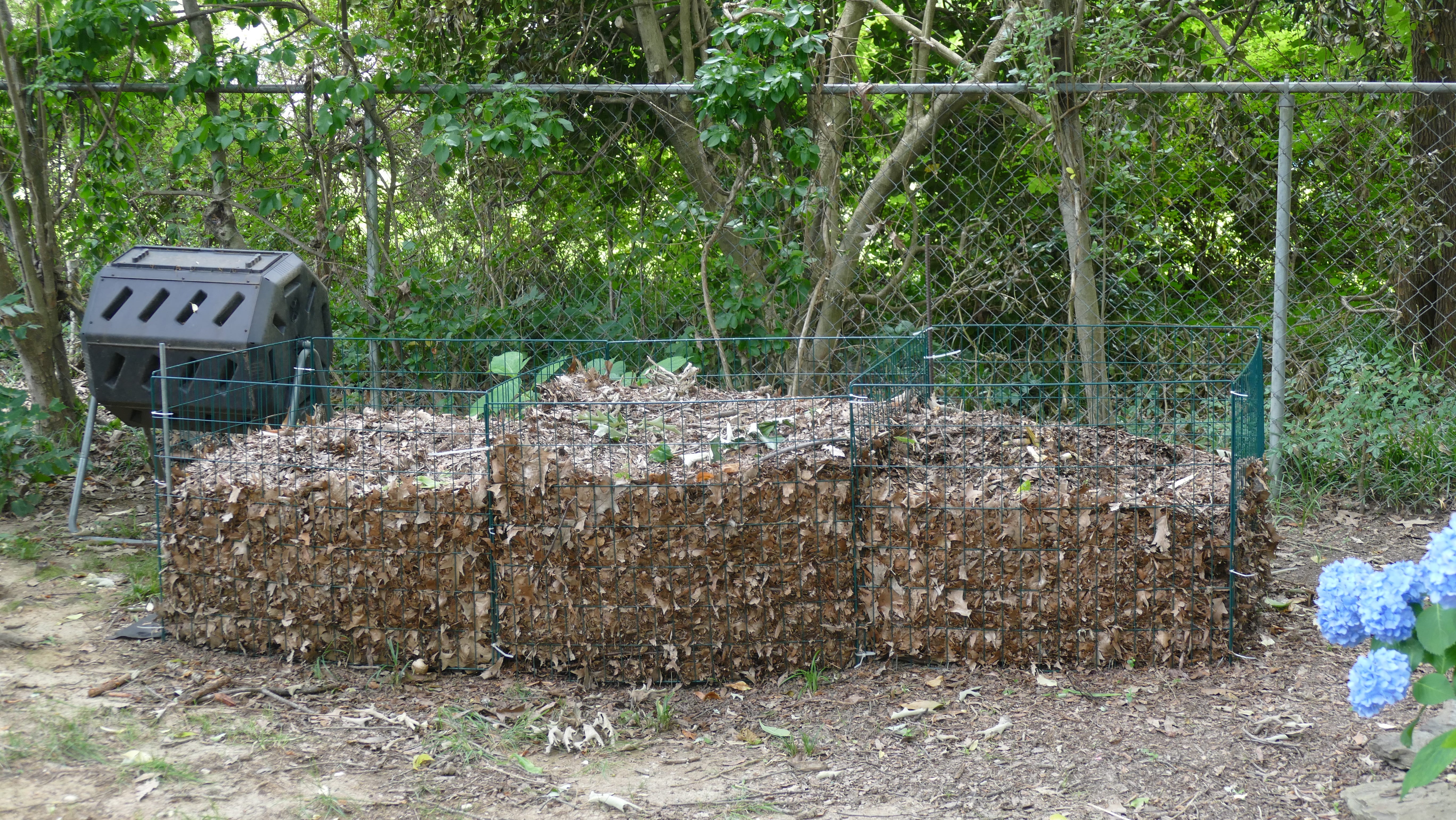
Lazy compost
Toss your browns and greens in an out-of-the-way spot. Occasionally spray the pile with water, turn it with a pitchfork once or twice a year. Expect compost in two years. The lazy pile is unlikely to reach a high enough temperature to kill weed seeds, so do not add weeds with seed heads to the pile.
Buying compost
You can buy compost in bags or in bulk from garden centers. Prices, what the compost includes (manure, mushrooms or other ingredients) and quality varies a lot. Try several types to see what works best in your gardens. Some cities offer free compost made from yard waste. You won’t know exactly what is in it. Be especially cautious, if your area has jumping worms.
When not to use compost
While compost has many benefits, it is possible to have too much of a good thing. Some composts have lots of salts in them. And, growing plants only in compost, whether in a container or raised bed, will deprive plants of the essential minerals and nutrients provided by soil. For containers, no more than about a third of the soil mixture should be compost.